French Connections: Learning on Sea Country at Recherche Bay
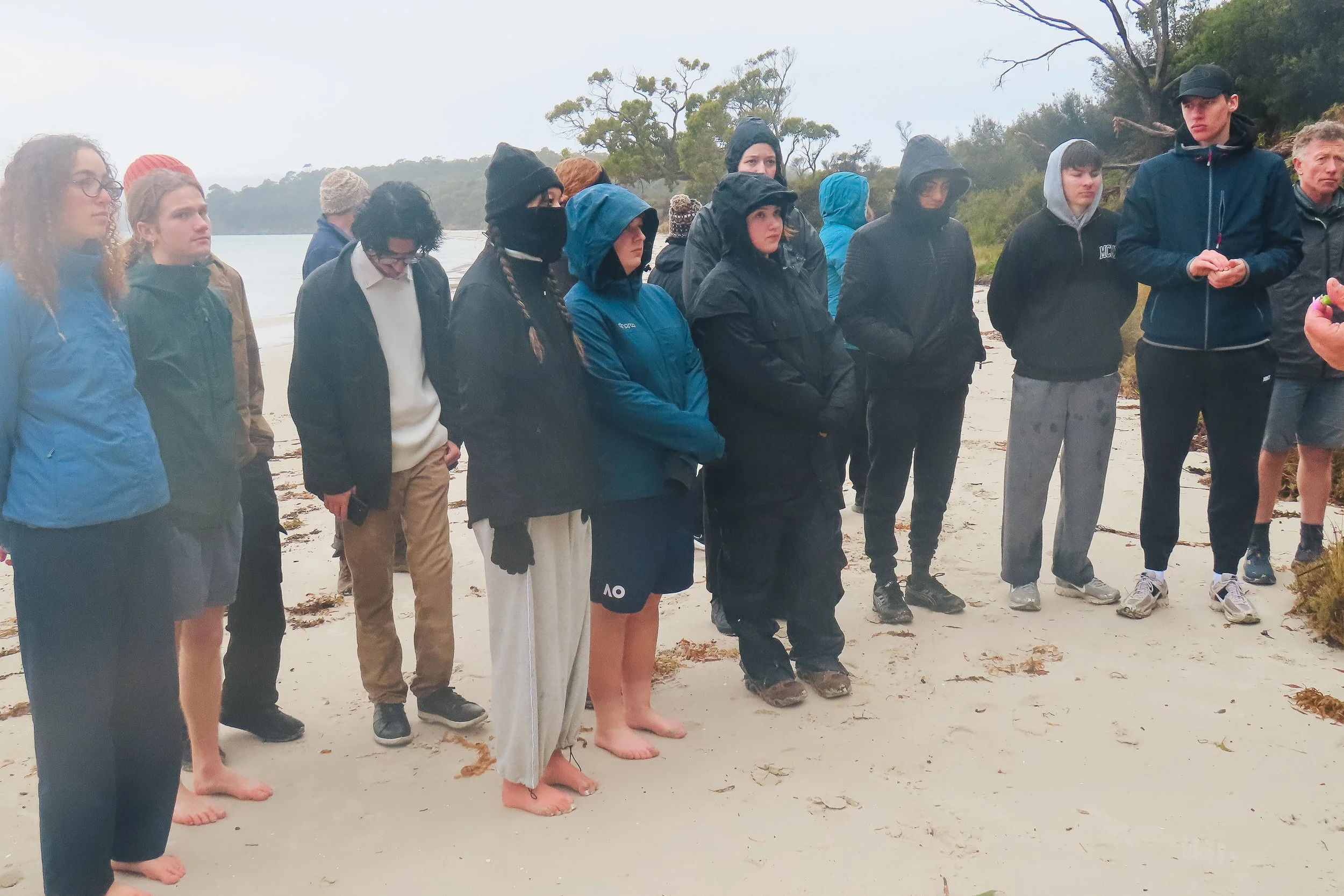
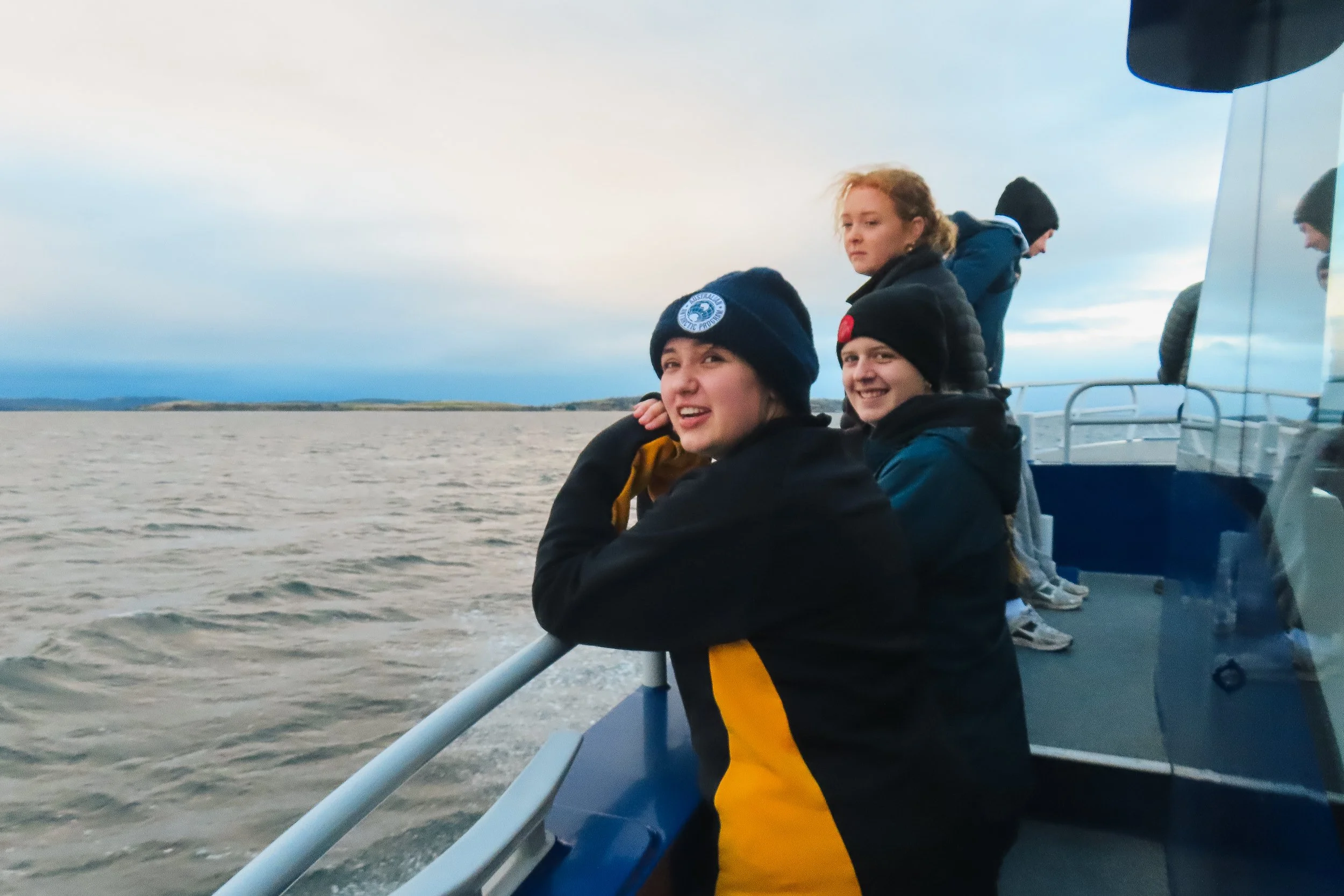
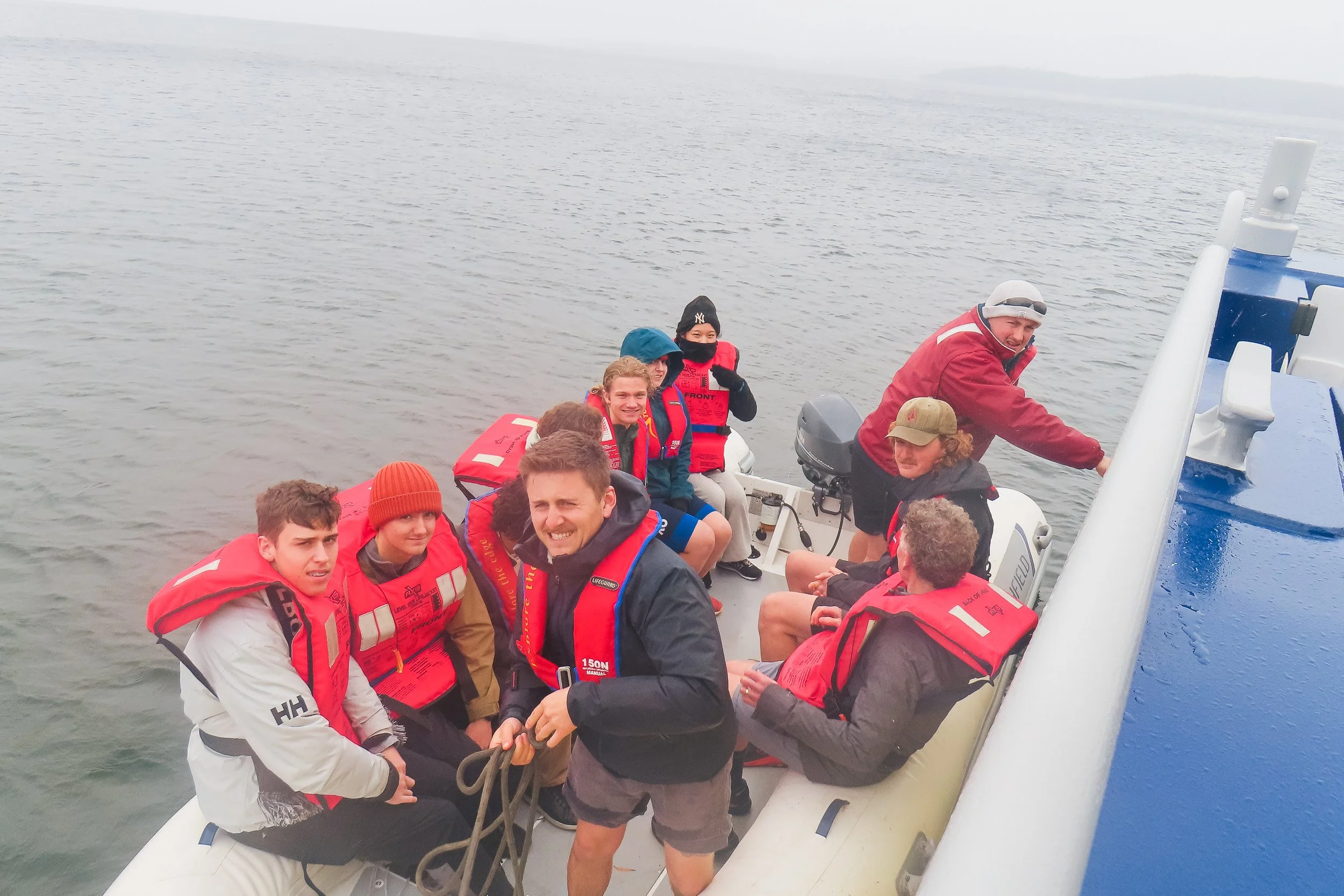
In 2026, Guilford Young College students took part in a unique cross-curricular learning experience on the D’Entrecasteaux Channel, bringing together French language and history, First Nations perspectives, environmental observation and learning on Country. The experience grew from collaboration between French 2/3 class and First Nations Education at GYC, with support from Catholic Education Tasmania.
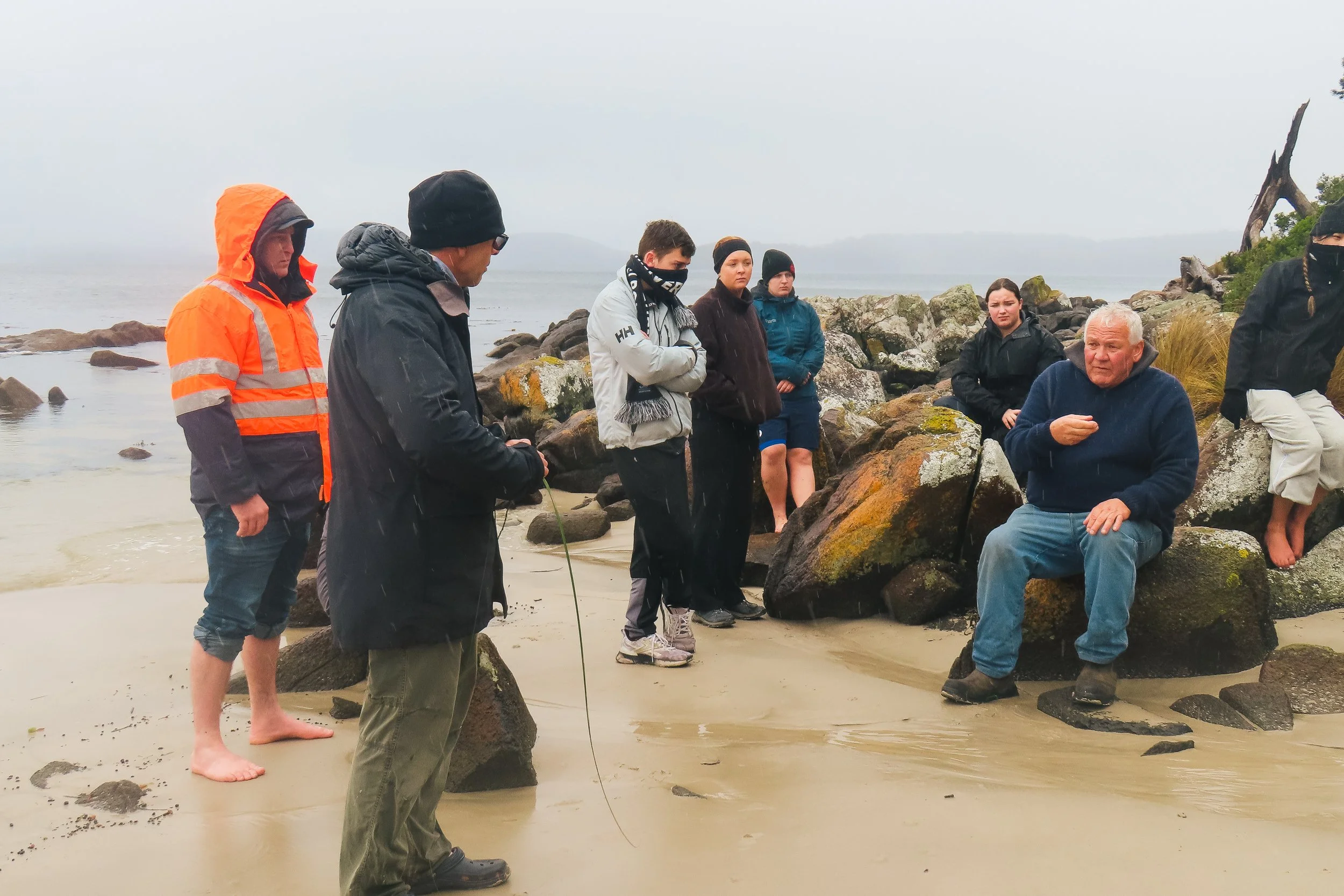
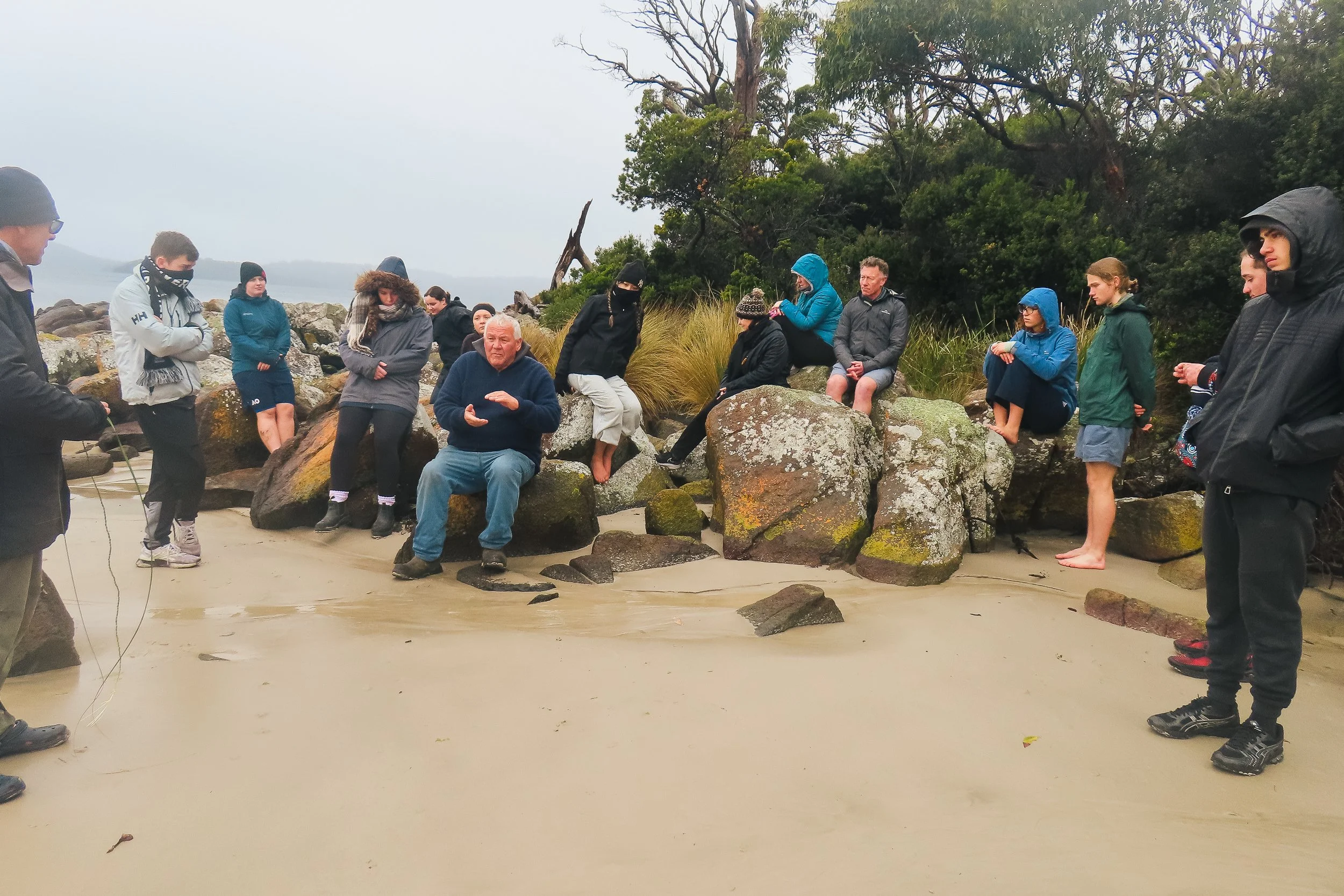
Central to the experience was learning with Elder Uncle Rodney Dillon, who shared knowledge on Country and encouraged students to listen, observe and consider the relationship between people, knowledge and place. Rather than viewing the D’Entrecasteaux expedition only through European historical records, students were encouraged to consider different ways of knowing and understanding the same landscape. Their learning materials asked them to place French historical sources into context while respecting that these perspectives should not simply be collapsed into a single version of history.
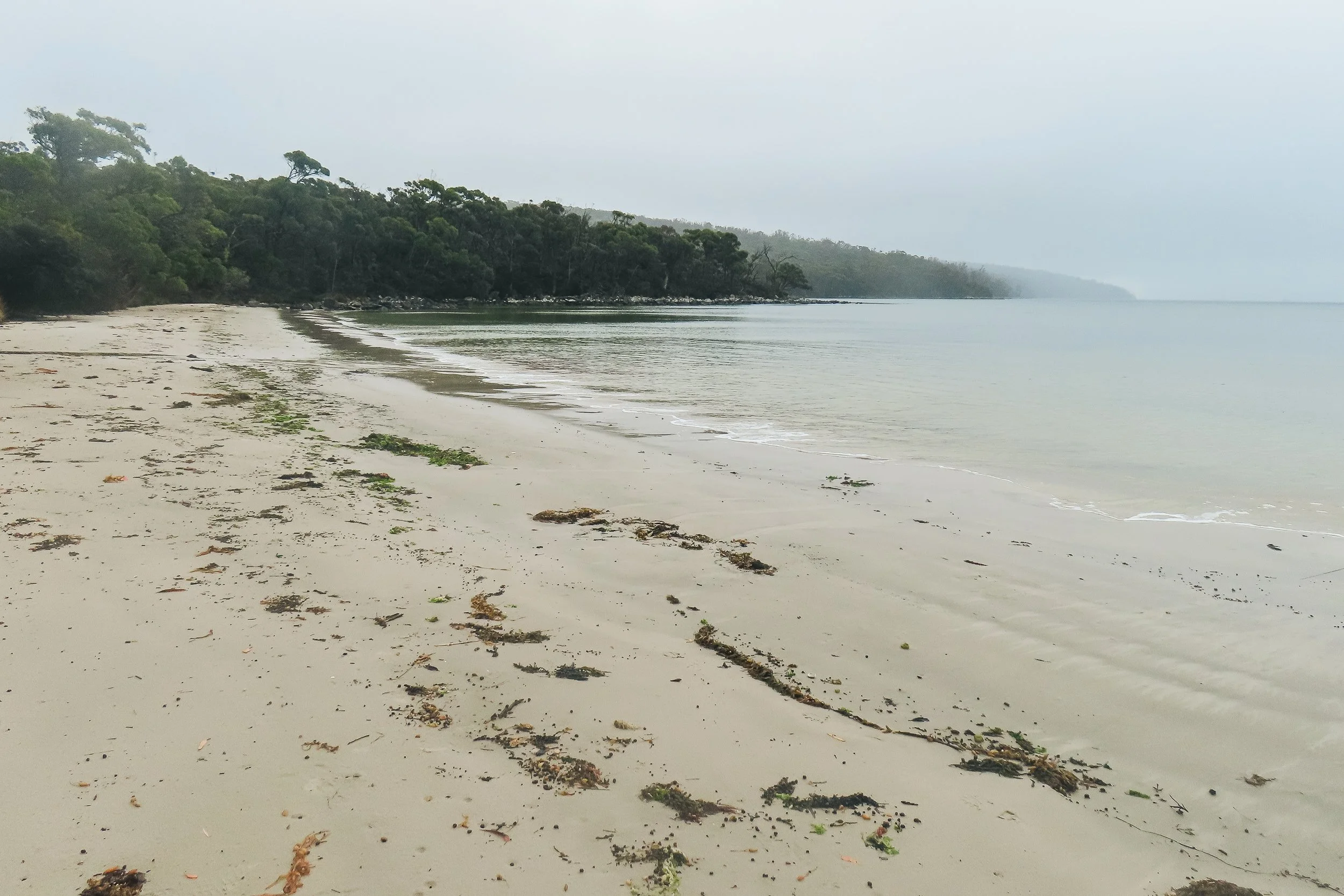
For French students, this provided a rich context in which to investigate members of the d’Entrecasteaux expedition and use French to describe place, movement and observation. More broadly, the experience encouraged students to think critically about exploration, naming, scientific classification and whose perspectives are recorded in conventional historical accounts.
The project was made possible through the collaboration of Uncle Rodney Dillon, GYC Aboriginal Student Success Teachers Kylie Briers and Ramon Jacobs, French teacher and Director of Pedagogy Kristin Leeds, and colleagues from Catholic Education Tasmania AJ King, Isabella Cattaruzza and Ben Rheinberger, as well as Jason Whitehead who worked together across the year to develop the French and First Nations learning experience.
The excursion demonstrates what cross-curricular learning can offer when Country becomes part of the curriculum rather than simply the setting for it: language, history, culture and place come together, while First Nations voices and continuing knowledge provide an essential perspective through which students can reconsider familiar histories.